
Jan 23, 2026
Ralph Erik Exton brings valuable perspective to The Water Tower Institute through his experience in the water sector and commitment to supporting innovation and workforce development. As a member of TWTI's Board, he helps guide our organization’s mission. Ralph shared more about his background, what drew him to The Water Tower, and the insights he brings to the water community.
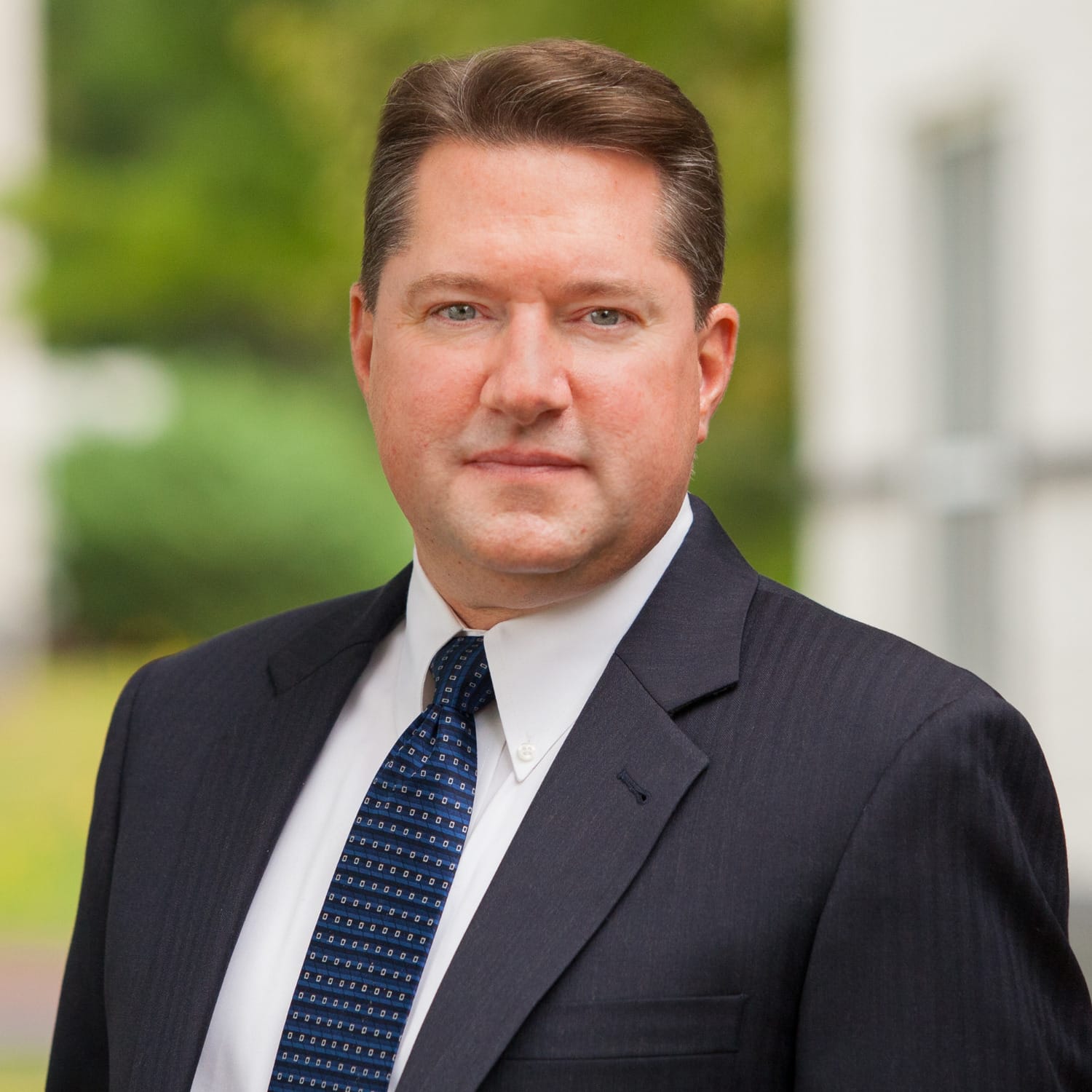
Can you share a brief overview of your background and journey in the water sector?
Absolutely. My career in the water sector spans nearly four decades, during which I’ve had the privilege to serve in leadership roles focused on advancing sustainable water solutions. I began in engineering and quickly realized the potential for positive impact in water management and environmental stewardship. Over the years, I’ve collaborated with diverse teams and organizations, always driven by a commitment to improve water quality and support communities. Today, as executive director of the Water Environment Federation, I continue to champion innovation and collaboration across our industry.
What motivated you to join The Water Tower’s board, and what inspires your ongoing engagement?
Joining The Water Tower’s board was a natural extension of my dedication to fostering transformative change in the water sector. The Water Tower’s mission, to accelerate technology adoption and workforce development, is closely aligned with my own values. I was inspired by the organization’s vision to create a collaborative hub where utilities, researchers, and solution providers can come together to address pressing water challenges. My ongoing engagement is fueled by the opportunity to help shape strategic initiatives and empower the next generation of water professionals.
How do partnerships contribute to advancing the mission of The Water Tower and the broader water sector?
Partnerships are absolutely essential. No single entity can tackle the complexity of water issues alone. By building strong relationships among utilities, technology innovators, academic institutions, and government agencies, we can leverage collective expertise and resources. These collaborations spark new ideas, accelerate the deployment of cutting-edge solutions, and ensure that our efforts are both impactful and sustainable. The Water Tower exemplifies the power of partnership by bringing together diverse stakeholders to solve real-world challenges.
Why are innovation and workforce development so critical to the future of the water sector?
The water sector faces evolving challenges, from aging infrastructure to emerging contaminants. Innovation is the key to staying ahead, whether through advanced treatment technologies, digital solutions, or data-driven decision-making. Equally important is workforce development; we need skilled, passionate individuals to implement these innovations and drive progress. Investing in people and technology not only improves outcomes but also inspires confidence in the communities we serve.
What advice would you offer to those aspiring to make a difference in the water industry?
My advice is to embrace lifelong learning and stay curious about new developments in the field. Seek out mentors, build your network, and don’t be afraid to take on challenging projects – they’re often the most rewarding. The water sector offers tremendous opportunities to make a positive impact, so approach your career with a sense of purpose and a willingness to collaborate. Follow your passion, be open to new ideas, and remember that your work is vital to the health of our communities and the environment.
The Water Tower consists of two nonprofit organizations: The Water Tower at Gwinnett, a 501(c)4 – responsible for the development and operations of the campus, and The Water Tower Institute, a 501c3 – responsible for solutions, instruction, and engagement programming. Together, these entities are cultivating an ecosystem of water innovation fueled by imagination, informed by research, and powered by pioneers. The Water Tower brings together public and private sectors of the water industry, side by side with academia and nonprofits, to tackle the industry’s greatest challenges.